Cheerleading Strength and Conditioning Exercises


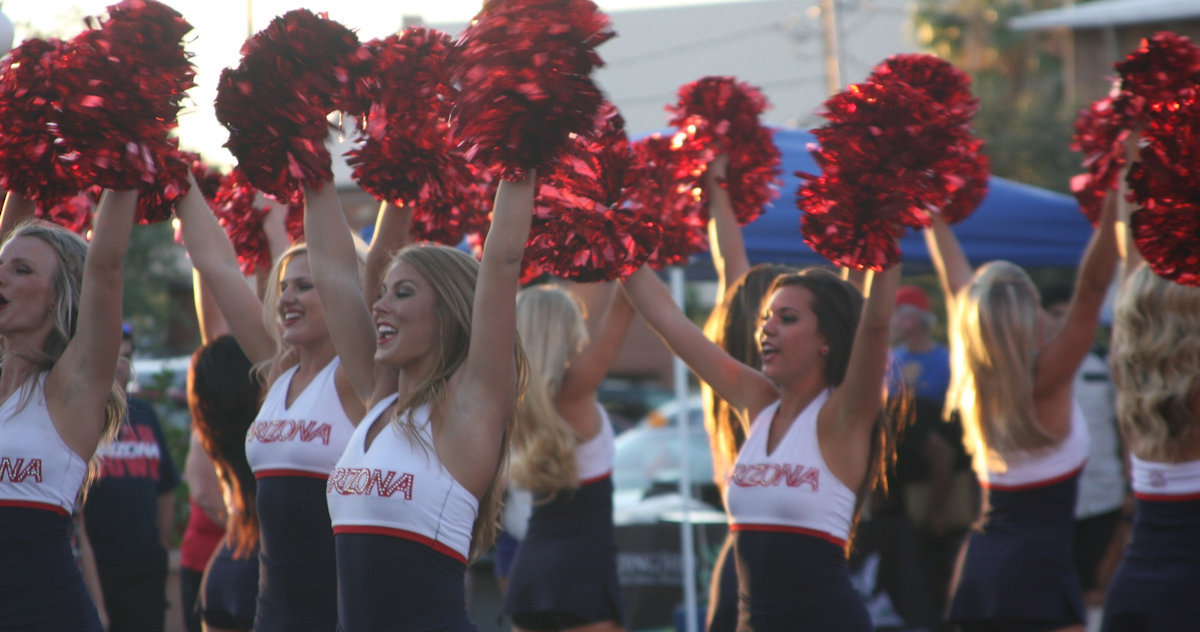
Cheerleading athletes performing an athletic activity

Strength Training for Cheerleading

Cheerleading combines athletic movements that require muscular strength, power, balance, coordination, flexibility and cardiovascular endurance. Depending on the activity, participants may perform jumps, dance movements, tumbling, lifts and partner stunts.

A well-designed cheerleading conditioning program can help develop the physical abilities needed for these activities. Strength training exercises for the legs, core, shoulders, back and arms can provide a foundation for controlled athletic movement.

The exercises listed below are general resistance training movements that may be incorporated into a cheerleading conditioning program. They should be selected according to the participant's age, experience, ability and training goals.

Cheerleading Conditioning Exercise Library

Select an exercise below to review its instructions and training information.

Bench Press Bicep Curl Ab Crunch
Inclined Flye Leg Curl Leg Extension
Leg Press Lunge Seated Row
Shoulder Press Tricep Extension Lat Pulldown

Benefits of Cheerleading Strength Training

  • Lower-body exercises such as lunges and leg presses help develop strength for jumping, landing and controlled movement.
  • Core exercises help develop trunk stability and body control during athletic activities.
  • Shoulder and upper-back exercises help develop strength for controlled arm movements and supported upper-body activities.
  • Balanced resistance training supports muscular endurance and overall physical conditioning.
  • Progressive training can help participants develop the strength needed for increasingly demanding activities.

Cheerleading Training Safety Precautions

  • Begin with an appropriate warm-up before resistance training, jumping or other strenuous activity.
  • Select resistance levels that allow controlled movement without excessive strain or loss of technique.
  • Avoid forcefully locking the elbows or knees during resistance exercises.
  • Increase training intensity gradually and allow adequate recovery between demanding sessions.
  • Stop or modify exercises that produce pain, dizziness or unusual discomfort.
  • Tumbling, partner stunts and elevated lifts require qualified instruction, appropriate supervision and suitable safety equipment. General strength training does not replace sport-specific skill instruction.

Developing a Balanced Conditioning Program

A cheerleading conditioning program should address the major muscle groups while also considering balance, flexibility, coordination, aerobic fitness and sport-specific skills.

Participants should begin with manageable resistance and emphasize correct exercise technique before increasing training loads. Exercise selection, repetitions and recovery periods should be adjusted to individual needs and abilities.

For additional information about conditioning principles and exercises for other athletic activities, visit the Sports-Specific Training Exercises library.