

Sports-Specific Training Exercises
|
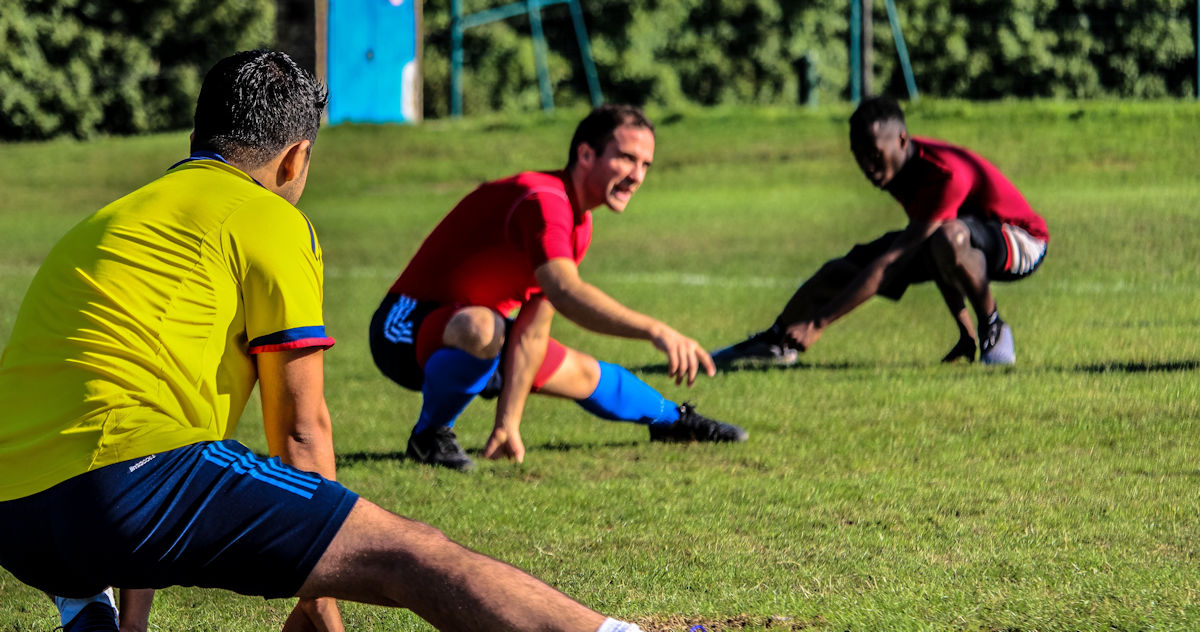
What Is Sports-Specific Training?Sports-specific training is a method of exercise programming designed to improve the physical abilities required for a particular sport or athletic activity. Training programs may emphasize muscular strength, power, endurance, speed, agility, balance, coordination, flexibility and range of motion (ROM), depending on the demands of the sport. Different sports place different demands on the body. For example, a basketball player may benefit from exercises that develop jumping ability, acceleration and changes of direction, while a distance runner may emphasize aerobic endurance, running economy and lower-body strength. Benefits of Sports-Specific Exercises
How Sports-Specific Training WorksSports-specific exercise programs are developed by examining the movement patterns, muscle groups, energy systems and physical demands associated with a particular activity. Exercises are then selected to improve the qualities needed for successful participation. Training may include resistance exercises, cardiovascular conditioning, balance drills, agility exercises, flexibility training and controlled sport-related movements. The goal is not simply to imitate a sporting action while holding weights, but to develop physical capabilities that support effective athletic performance. Training Safety and Progression
Sports-Specific Exercise LibraryThe International Fitness Association provides educational information about exercises and conditioning methods associated with different sports. Use the Sports Exercises menu above to explore the available activities and their training recommendations. These exercises are intended for general fitness education. Training programs should be adapted to individual abilities, goals and the specific requirements of each sport. |