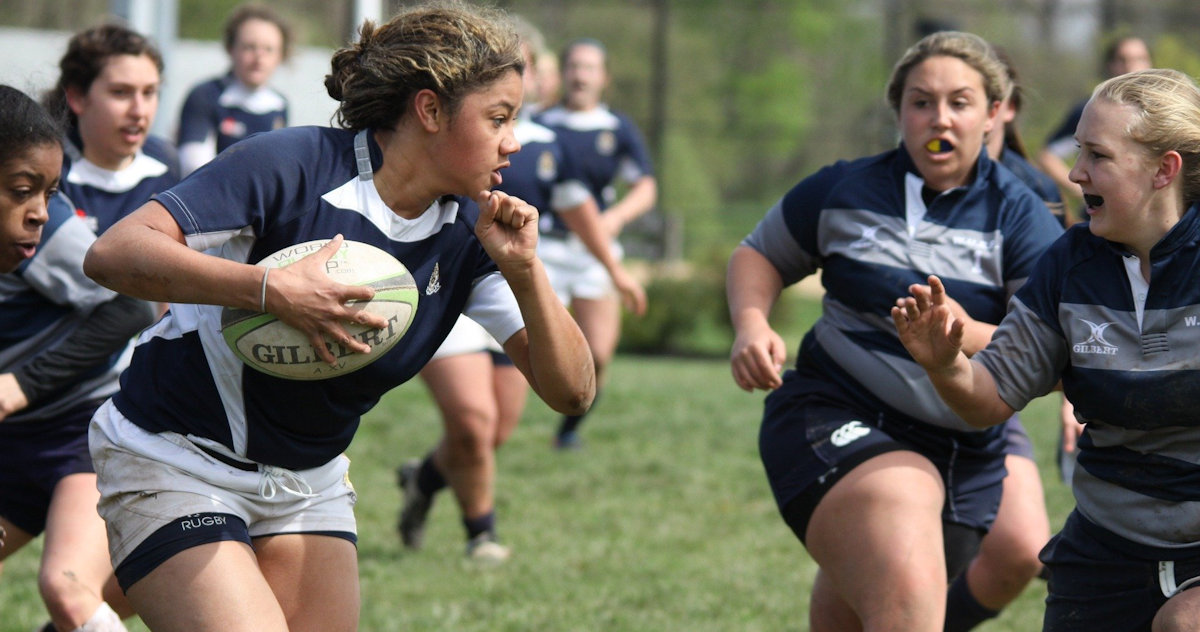
Benefits of Football and Rugby Strength Training
- Squats and lunges develop lower-body strength used during running, acceleration and changes of direction.
- Calf raises strengthen the lower-leg muscles involved in ankle movement and push-off activities.
- Leg curls develop hamstring strength, which contributes to lower-body movement and knee control.
- Leg extensions provide targeted quadriceps strengthening when performed with appropriate resistance and technique.
- Core exercises help develop trunk stability and controlled body movement.
- Bench presses and shoulder presses develop general upper-body pushing strength.
- Seated rows strengthen muscles of the upper back and contribute to balanced upper-body conditioning.
Football and Rugby Training Precautions
- Begin each workout with an appropriate warm-up before resistance training, sprinting or other strenuous activities.
- During squats and lunges, maintain knee alignment with the feet and use a comfortable range of motion.
- During leg curls and leg extensions, select manageable resistance and avoid uncontrolled movements or forcefully locking the knees.
- During bench presses and shoulder presses, maintain appropriate shoulder, elbow and wrist alignment. Use a qualified spotter or suitable safety equipment when needed.
- Avoid excessive training intensity or volume when fatigued from practices, games or demanding conditioning sessions.
- Increase training loads gradually and allow sufficient recovery between strenuous workouts.
- Contact drills, tackling and blocking require qualified coaching, appropriate protective equipment where applicable and instruction specific to the sport. Strength training alone does not establish safe contact technique.
- Any suspected concussion requires immediate removal from play and evaluation by a qualified healthcare professional. Athletes should not return to participation until cleared according to applicable medical guidance and return-to-play requirements.
Developing a Football and Rugby Conditioning Program
Football and rugby conditioning should include a combination of muscular strength, power, speed, agility, cardiovascular endurance, balance and appropriate recovery.
Lower-body strength training may be complemented by progressive sprinting, acceleration and change-of-direction drills. Upper-body and core conditioning can support general athletic fitness and controlled movement during sport participation.
Training programs should reflect the different physical demands of American football and rugby. For example, football positions may have substantially different strength and speed requirements, while rugby players may experience extended periods of running combined with repeated high-intensity efforts and contact.
Beginners and younger athletes should emphasize correct exercise technique, manageable resistance and age-appropriate instruction before progressing to more demanding training.
Resistance training should complement sport-specific practice, technical instruction and adequate recovery. Strength and conditioning exercises cannot eliminate the risks associated with contact sports.
For additional exercises and conditioning information, visit the Sports-Specific Training Exercises library.
|