Strength and Conditioning for Wrestling
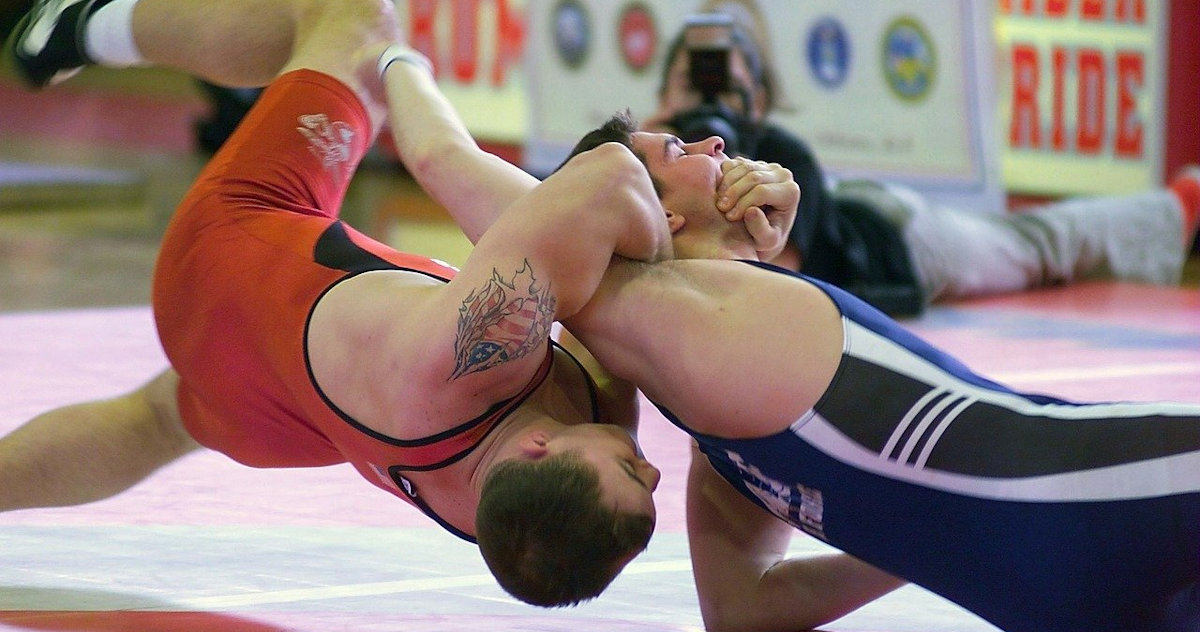
Wrestling is a physically demanding sport requiring muscular strength, power, endurance, balance, coordination, agility and cardiovascular conditioning. Wrestlers frequently perform pushing, pulling, lifting, controlling and rapid changes of body position.
A balanced wrestling conditioning program may include lower-body strengthening, upper-body resistance exercises, trunk stability, agility training and cardiovascular conditioning. Exercise selection should reflect the wrestler's age, experience, fitness level and training goals.
Wrestling also places substantial demands on the neck and shoulder muscles. Appropriate strengthening may be included under qualified supervision, using controlled movements and manageable resistance.
Before strenuous activity, begin with a gradual warm-up that may include light aerobic movement, dynamic mobility exercises and sport-appropriate movement preparation. The duration and intensity should reflect the planned workout and the individual's fitness level.
The exercises below provide general strength and conditioning options that may complement wrestling practice. They do not replace instruction in wrestling techniques, safe takedowns or supervised training.
Wrestling Exercise and Drill Library
The following exercises are organized into lower-body training, upper-body strengthening, conditioning drills and neck exercises.
Lower-Body Strength and Power
Squats - Stand with the feet approximately shoulder-width apart. Bend the hips and knees to lower the body through a comfortable range of motion. Keep the feet planted, maintain a controlled trunk position and return to standing.
Squats strengthen the quadriceps, gluteal muscles and other lower-body muscles involved in supporting and moving the body.
Jump Squats - Begin in a comfortable partial squat position. Extend the hips, knees and ankles to jump vertically. Land softly with controlled knee and hip bending before preparing for the next jump.
Jump squats are a plyometric exercise that should be introduced gradually. Emphasize landing technique and movement quality rather than performing large numbers of jumps.
Weighted Jump Squats - An advanced variation of the jump squat performed with additional resistance.
This exercise requires appropriate strength, landing mechanics and qualified supervision. Beginners should first develop controlled bodyweight jumping technique. Heavy resistance and jumping while fatigued should be avoided.
Jump Split Squats - Begin in a split stance with one foot forward and the other behind. Lower into a comfortable split squat, jump upward and switch leg positions before landing with control.
This is an advanced lower-body plyometric exercise. Begin with regular lunges or split squats before progressing to jumping variations.
Weighted Jump Split Squats - An advanced variation performed with additional resistance.
Because jumping while holding weights increases the demands on balance, landing control and lower-body tissues, this exercise should be reserved for appropriately prepared athletes under qualified supervision. Unweighted variations are suitable starting points.
Upper-Body Strength Training
Pushups - Begin in a plank position with the hands placed slightly wider than shoulder-width apart. Bend the elbows to lower the chest toward the floor while maintaining controlled body alignment. Press back to the starting position.
Pushups strengthen the chest, shoulders, triceps and muscles involved in trunk stabilization. Modified pushups may be used when appropriate.
Bicep Curls - Stand or sit while holding a dumbbell in each hand. Keep the upper arms relatively stationary and bend the elbows to raise the weights. Lower them slowly with control.
Bicep curls strengthen muscles involved in elbow flexion. Avoid swinging the weights or using excessive resistance.
Hammer Curls - Hold a dumbbell in each hand with the palms facing inward. Bend the elbows to raise the weights while maintaining the neutral grip. Lower the weights with control.
Hammer curls strengthen elbow flexor muscles and provide additional forearm conditioning.
Overhead Triceps Extensions - Hold an appropriately weighted dumbbell securely with both hands above the head. Bend the elbows to lower the weight behind the head, then extend the elbows to return to the starting position.
This exercise strengthens the triceps. Use manageable resistance and avoid uncomfortable shoulder or elbow positions.
Bench Press - Lie on a stable bench with the feet supported. Hold the bar with an appropriate grip, lower it toward the chest under control and press upward without bouncing the bar.
Use a suitable starting weight and increase resistance gradually as technique and strength improve. A qualified spotter or appropriate safety equipment should be used when lifting a barbell.
Dumbbell Press - Lie on a stable bench while holding a dumbbell in each hand. Lower the weights through a comfortable range of motion and press upward with controlled movement.
Dumbbell presses strengthen the chest, shoulders and triceps. Use resistance that permits stable shoulder and wrist positioning.
Agility and Conditioning Drills
Squat Thrusts - Begin standing, bend the hips and knees and place the hands on the floor. Step or jump the feet backward into a plank position. Return the feet toward the hands and stand upright.
Squat thrusts combine lower-body movement with trunk stabilization and general conditioning. Beginners may step the feet backward and forward rather than jumping.
Side Shuffles - Begin in an athletic stance with the knees slightly bent. Move sideways using short, controlled steps while maintaining balance and an appropriate body position.
Practice movement in both directions. Begin at a comfortable speed before progressing to faster lateral movement.
Sprints - Perform short, controlled running efforts over an appropriate distance. Gradually accelerate, maintain coordinated running technique and slow down under control.
Sprint training should be introduced progressively, with adequate recovery between demanding efforts. Avoid maximal sprinting when fatigued or before appropriate preparation.
Neck Strengthening and Stability
Wrestling involves contact and forces that may challenge neck control. Neck conditioning should emphasize gentle, controlled strengthening and appropriate progression. Athletes with neck pain, neurological symptoms or a history of cervical spine injury should seek medical guidance before beginning neck resistance exercises.
Neck Strengthening - Neck strength can be important for wrestlers and other contact-sport athletes. Neck exercises should use controlled movements and appropriate resistance. Avoid exercises that place excessive or uncontrolled loading directly on the head or cervical spine.
Four-Way Isometric Neck Exercises - Keep the head and neck in a neutral position while applying gentle resistance with the hand. Press against the resistance without allowing the head to move.
- Forward: Place one hand on the forehead and gently press the head forward while resisting with the hand.
- Backward: Place one or both hands behind the head and gently press backward while resisting with the hands.
- Left Side: Place the left hand against the side of the head and gently press toward the left while resisting with the hand.
- Right Side: Place the right hand against the side of the head and gently press toward the right while resisting with the hand.
Apply resistance gradually and maintain a neutral neck position. The exercise should be controlled and should not cause pain. Avoid sudden, forceful movements or exercises that place body weight directly on the head or neck.
Chin Tucks - Stand or sit with good posture and the head in a neutral position. Gently draw the chin backward without tilting the head up or down. Hold briefly, relax and repeat using slow, controlled movements.
Benefits of Wrestling Strength Training
- Squats strengthen major lower-body muscles involved in supporting and moving the body.
- Jumping exercises provide opportunities to develop lower-body power when performed with appropriate technique and progression.
- Pushups, bench presses and dumbbell presses strengthen upper-body pushing muscles.
- Bicep curls and hammer curls provide additional arm and forearm conditioning.
- Triceps extensions strengthen muscles involved in elbow extension.
- Squat thrusts provide general muscular and cardiovascular conditioning.
- Side shuffles develop lateral movement practice and coordination.
- Sprints provide opportunities to develop acceleration and high-intensity running capacity.
- Controlled neck exercises strengthen muscles involved in supporting and stabilizing the head.
Wrestling Training Precautions
- Begin training with an appropriate warm-up and gradually increase exercise intensity.
- During squats and jumping exercises, maintain controlled knee and hip alignment.
- Practice proper landing mechanics before progressing to demanding plyometric exercises.
- Weighted jumping exercises should be reserved for appropriately prepared athletes under qualified supervision.
- During resistance training, use manageable weights and avoid sacrificing technique to complete additional repetitions.
- Use appropriate spotting and safety equipment during barbell exercises.
- Avoid exercises that place excessive or uncontrolled loading on the neck or cervical spine.
- Practice takedowns, throws and other wrestling techniques under qualified supervision using appropriate mats.
- Increase sprinting, jumping and high-intensity conditioning gradually, with adequate recovery.
- Avoid rapid weight-cutting, dehydration and excessive restriction of food or fluids to meet a weight class.
- Maintain appropriate hygiene, clean equipment and follow team procedures for evaluating potentially contagious skin conditions.
- Stop training if significant pain, dizziness or neurological symptoms occur. Any suspected concussion requires immediate removal from participation and appropriate medical evaluation before returning.
Developing a Wrestling Conditioning Program
A balanced wrestling conditioning program may include resistance training, muscular endurance, power development, agility, cardiovascular conditioning and appropriate recovery.
Training should be adjusted according to the wrestler's age, experience, competitive level and total practice workload. Beginners should first develop correct exercise technique before progressing to advanced plyometric or heavily loaded movements.
Strength training can complement wrestling practice but does not replace instruction in grappling, takedowns, defensive positioning or other sport-specific skills.
For additional exercises and conditioning information, visit the Sports-Specific Training Exercises library.
|